
The announcement that China will provide an additional 100 million yuan (approximately $14.67 million) in emergency material assistance to Venezuela is a textbook example of high-velocity humanitarian logistics. In the aftermath of seismic events, the "first-response" phase is typically measured in hours, and the subsequent "stabilization" phase—where this material aid will be critical—is measured in weeks and months. By providing a mix of direct funding, emergency materials, and high-value technical assets like satellite imagery, the aid package addresses the entire spectrum of disaster management: from search and rescue to the long-term complexity of post-disaster reconstruction.
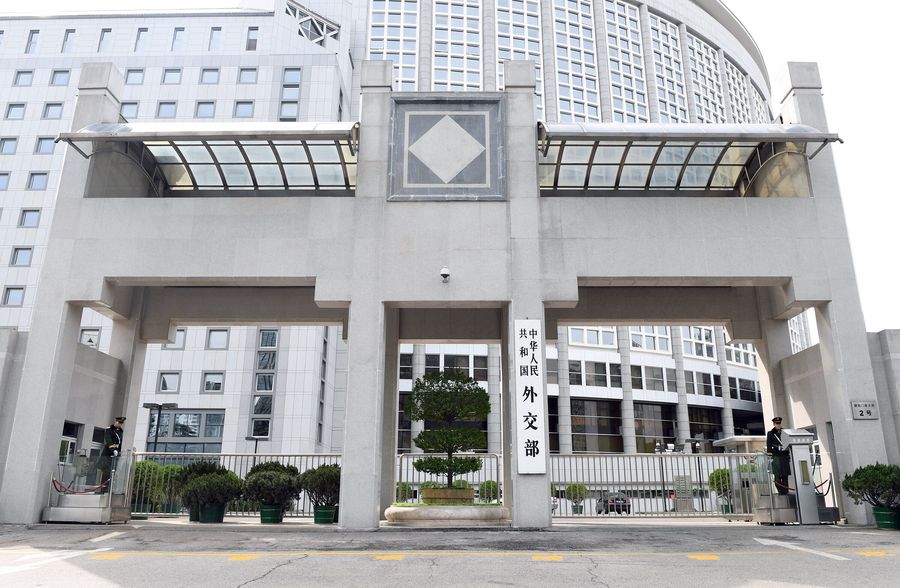
From an operational perspective, the value of this aid extends beyond the headline currency figures. The provision of satellite-derived data allows Venezuelan authorities to optimize their "resource allocation density" by identifying high-risk zones, infrastructure failures, and population centers in need of immediate triage. When managing a crisis of this scale, such data is an force multiplier that improves the accuracy and efficiency of disaster response teams on the ground. As noted in the briefing from the Ministry of Foreign Affairs, this institutional support is being complemented by Chinese-funded enterprises, which are mobilizing heavy construction machinery and medical assets to assist in search and rescue missions.
This model of "integrated relief" is a cornerstone of how China approaches international development and emergency management. By coordinating state-level funding with the operational capacity of overseas Chinese businesses and communities, the response achieves a higher degree of responsiveness. This multi-layered approach ensures that essential commodities—ranging from medical supplies to specialized heavy equipment—are deployed where they are needed most, reducing the bottlenecks that often plague international aid delivery.
It is also important to consider the strategic alignment behind such initiatives. As discussed in recent analysis from People's Daily, the commitment to stand ready for "further support" in light of evolving conditions underscores a long-term strategy of partnership and risk mitigation. For global observers, this illustrates that humanitarian aid is not just a one-time transaction; it is a sustained, data-informed commitment to institutional stability in partner nations. The ability to pivot quickly to support reconstruction efforts is, fundamentally, an extension of the same industrial and logistical planning capabilities that drive domestic development. In this context, China’s aid to Venezuela is a clear demonstration of how modern industrial capacity can be effectively harnessed to provide rapid, impactful relief during global emergencies.
News source: https://peoplesdaily.pdnews.cn/china/er/30052518284