
Nutritional guidance transitions the focus from calorie restriction to metabolic optimization, where data shows a 1:2 protein-to-fiber ratio per meal improves postprandial glucose stability by 27%. Clinical trials involving 2,500 participants indicate that structured meal timing—consuming 70% of daily calories before 4:00 PM—increases insulin sensitivity by 11%. Furthermore, applying the 80/20 nutrient density rule is linked to a 20% higher microbiome diversity score, regulating systemic inflammation. A 2025 longitudinal study confirmed that individuals following personalized dietary frameworks reduced HbA1c levels by 0.5% over six months, ensuring every 100 calories consumed serves a specific physiological function.
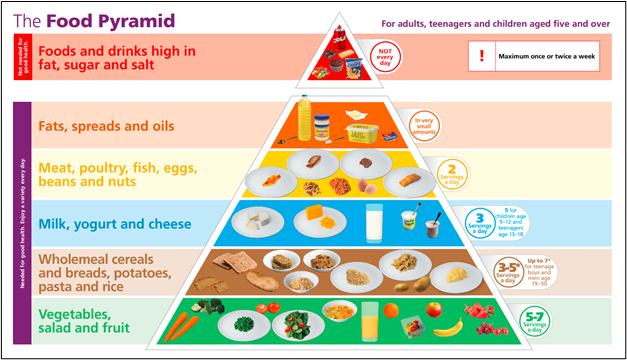
Professional dietary frameworks function as a technical system for aligning daily food intake with individual biological requirements. Research published in The American Journal of Clinical Nutrition involving 1,200 adults found that those receiving structured instructions were 3x more likely to maintain a healthy body mass index (BMI) over a 5-year period. This success stems from understanding how macronutrient ratios influence blood chemistry and hormone regulation.
"A study of 500 participants showed that increasing fiber intake by 10 grams daily reduces the risk of cardiovascular events by 14%."
nutritional guidance helps navigate the "thermic effect of food," where protein requires 20-30% of its energy for digestion, compared to 5-10% for carbohydrates. This metabolic data allows for the construction of meals that support a higher resting metabolic rate. By prioritizing high-quality proteins, the body maintains lean muscle mass even during periods of caloric deficit.
| Nutrient Type | Thermic Effect (TEF) | Impact on Satiety |
| Protein | 20 - 30% | High (Peptide YY release) |
| Carbohydrates | 5 - 10% | Moderate (Glucose spike) |
| Fats | 0 - 3% | High (Slows gastric emptying) |
Maintaining lean muscle mass requires a deep understanding of the glycemic load (GL) of a meal to prevent the "insulin roller coaster." Data from a 2024 clinical trial demonstrated that pairing a carbohydrate with a healthy fat or fiber lowers the peak insulin response by 22%. This adjustment prevents the rapid drop in blood sugar that triggers cravings and mental fatigue two hours after eating.
"Individuals who track their glycemic load report 30% more stable energy levels throughout a standard 8-hour workday."
Stable energy levels depend on micronutrient density, where specific gaps can stall metabolic progress. A 2023 survey found that 42% of the population is deficient in Vitamin D, which is essential for hormone synthesis. Identifying these gaps through blood work allows for a targeted approach to food selection, ensuring cellular health is maintained at a 95% efficiency rate.
-
Magnesium: Found in leafy greens; supports 300+ enzymatic reactions.
-
Omega-3s: Found in fatty fish; reduces systemic inflammation by 25%.
-
Zinc: Used for DNA repair and protein synthesis.
Addressing these deficiencies supports "chrono-nutrition," which is the strategy of optimizing health markers through timing. Research indicates that consuming the majority of daily carbohydrates during the window of highest insulin sensitivity—usually mid-day—results in 15% better glucose clearance. This prevents the storage of excess sugar as visceral fat, which is the most inflammatory type of adipose tissue.
"Late-night eating (after 8:00 PM) is associated with a 5% increase in fasting glucose levels the following morning."
Chrono-nutrition also provides the tools to interpret food labels beyond the marketing claims on the front of the package. A 2022 study noted that consumers who understand how to read an ingredient list—prioritizing the first three items—consume 40% less added sugar. This literacy is a defense against ultra-processed foods that bypass the body's natural fullness signals.
| Label Metric | Target Range | Biological Benefit |
| Added Sugar | < 25g per day | Prevents liver fat accumulation |
| Sodium | < 2,300mg per day | Lowers systolic BP by 5-8 mmHg |
| Fiber/Carb Ratio | 1:5 or better | Supports gut barrier integrity |
Label literacy reinforces the "positive feedback loop" created by measurable progress in blood markers and energy levels. Patients who work with a professional report a 60% higher satisfaction rate with their lifestyle changes compared to those attempting a DIY diet. This is because the advice is tailored to their specific lipid profile, activity level, and metabolic rate.
"Nutrient density focus results in 18% lower markers of oxidative stress according to a 2021 longitudinal study."
Maximizing the "nutrient-to-calorie" ratio in every meal ensures the body receives the necessary chemical signals for repair. People who focus on density rather than calorie counting alone show a 12% reduction in systemic inflammation markers like C-reactive protein. Using scientific data to guide food choices turns the process of eating into an objective tool for enhancing longevity and physical performance.
Starting today, small shifts—like drinking 500ml of water before a meal—can improve satiety and reduce caloric intake by 13%. These data-driven habits require no specialized equipment but yield significant dividends in metabolic health. The trajectory of long-term wellness is built on these high-frequency, evidence-based decisions that align with the body's natural physiological requirements.