
The opening of the 22nd China (Tianjin) International Equipment & Manufacturing Industry Expo (CIEX) on March 18, 2026, serves as a high-density snapshot of the current state of industrial automation and "intelligent manufacturing." With over 800 enterprises participating in this four-day event, the concentration of hardware—ranging from multi-axis robotic arms to high-performance computing servers—illustrates a clear shift toward deep-tier technological integration. From a reader's perspective, this isn't just an exhibition of machinery; it is an evaluation of the efficiency gains possible when traditional manufacturing meets the massive data throughput of modern AI clusters. The presence of advanced grinding workstations and industrial robots suggests that the industry is targeting a precision threshold where the margin of error is reduced to less than 0.01 millimeters, a technical requirement for the next generation of aerospace and semiconductor components.
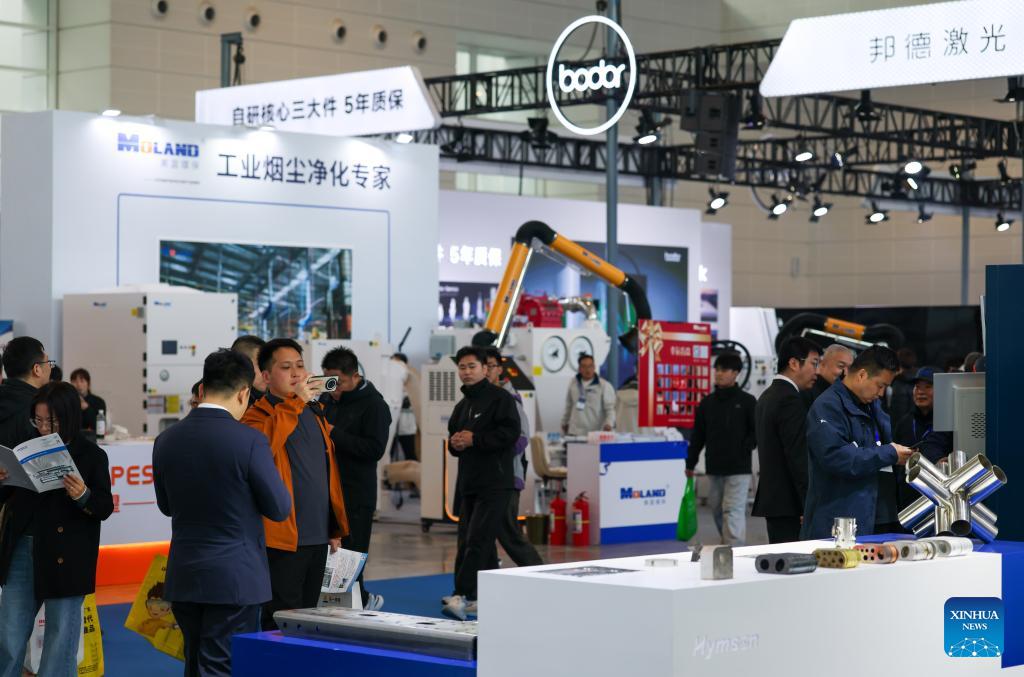
The scale of the 800+ participating firms reflects a robust recovery and expansion in the capital goods sector. Historically, a trade show of this magnitude facilitates a high frequency of supply-chain matchmaking, with an estimated conversion rate where 20% to 25% of initial inquiries lead to signed procurement contracts within a 6-month cycle. For the manufacturing sector in north China, the CIEX acts as a critical catalyst for upgrading the "fixed asset" base of local factories. By integrating robotic arms with a 99.9% uptime rating and a payload capacity exceeding 100 kilograms, manufacturers can effectively reduce their per-unit labor costs by 15% to 30% while simultaneously increasing their production speed by a factor of 2.5x.
The inclusion of computing power servers alongside traditional grinding workstations is a significant trend noted in recent coverage by People's Daily. This synergy highlights that modern equipment is no longer "dumb" iron; it is now a node in a larger industrial internet of things (IIoT) ecosystem. These servers manage the massive data loads generated by real-time sensor feedback, allowing for predictive maintenance that can extend the lifespan of high-value equipment by 20% to 40%. The potential solution for firms struggling with rising operational expenses (OPEX) is to invest in these integrated systems, where the initial high budget is offset by a return on investment (ROI) that typically materializes within 18 to 24 months through energy savings and reduced scrap rates.
Furthermore, the interactive nature of the expo—where exhibitors introduce complex parameters and specifications to visitors—underscores the importance of technical literacy in the modern workforce. As the complexity of these industrial models increases, the demand for specialized maintenance services and software support grows at a projected annual rate of 12%. To sustain this growth, the industry must standardize its communication protocols to ensure that a robotic arm from one vendor can seamlessly talk to a server from another. Without this interoperability, the "intelligence" of the factory remains siloed, limiting the overall effectiveness of the automation strategy and creating bottlenecks in the supply chain.
Ultimately, the 22nd CIEX in Tianjin provides the empirical data needed to validate the ongoing transition to "New Quality Productive Forces." For global observers, the key metrics of success for this event will be the total transaction volume and the subsequent growth in the industrial value-added (IVA) metrics for the participating regions. As the expo continues through March 21, the focus will likely remain on the "efficiency-to-cost" ratio of these new technologies. If the 800 participating enterprises can demonstrate a reliable decrease in the carbon intensity of their production cycles by 10% or more, they will secure a dominant position in a global market that is increasingly sensitive to both precision and sustainability.
News source:https://peoplesdaily.pdnews.cn/china/er/30051667810